

Introduction
Remote work has transformed from a temporary solution into a permanent global work model. Over the past few years, businesses have adopted digital tools and cloud-based systems to support employees working from different locations. In 2026, remote work is no longer just about working from home; it is about using advanced technology to create a seamless, productive, and secure digital workplace.
Companies are investing heavily in modern tools such as artificial intelligence, virtual collaboration platforms, cybersecurity systems, and automation software. These innovations are shaping how teams communicate, manage tasks, and deliver results. The future of remote work depends on technology that improves efficiency, enhances communication, and ensures data security.
This article explores the most important remote work technology trends that are transforming the global workforce.
Top 5 Remote Work Technology Trends
1. Artificial Intelligence in Remote Work
Artificial Intelligence (AI) is playing a major role in improving remote work efficiency. AI-powered tools help businesses automate repetitive tasks, manage workflows, and analyze productivity.
AI assistants are now used for scheduling meetings, generating reports, and even responding to customer queries. In remote teams, AI helps managers track performance without micromanaging employees. Machine learning systems also analyze work patterns to suggest improvements in productivity.
Another important use of AI is in communication. Smart transcription tools can convert meetings into notes, while AI chatbots assist employees in real time. This reduces workload and improves collaboration across teams.
AI is also helping in decision-making. Businesses can now use predictive analytics to understand future trends and plan strategies accordingly.
2. Cloud-Based Collaboration Platforms
Cloud technology has become the backbone of remote work. Platforms like cloud storage systems and collaborative workspaces allow employees to access files from anywhere in the world.
Cloud-based tools enable real-time collaboration, where multiple team members can edit documents, share feedback, and track changes instantly. This has eliminated the need for physical offices in many industries.
Project management tools powered by cloud systems help teams stay organized. Tasks, deadlines, and updates are accessible to everyone in the team, which improves transparency and accountability.
Cloud technology also ensures data backup and recovery, reducing the risk of data loss. It allows businesses to scale operations easily without investing in heavy infrastructure.
3. Cybersecurity for Remote Teams
As remote work increases, cybersecurity has become more important than ever. Companies are now focusing on protecting sensitive data from cyber threats.
Modern cybersecurity tools include multi-factor authentication, encrypted communication channels, and advanced firewalls. These tools ensure that only authorized users can access company systems.
Virtual Private Networks (VPNs) are widely used to secure internet connections for remote employees. Endpoint security systems also protect individual devices from malware and hacking attempts.
Training employees about cybersecurity best practices is also a major trend. Businesses are educating teams on how to identify phishing emails, secure passwords, and avoid suspicious links.
Without strong cybersecurity measures, remote work systems can be vulnerable to attacks, making this trend essential for every organization.
4. Virtual Reality and Immersive Workspaces
Virtual Reality (VR) and Augmented Reality (AR) are becoming powerful tools in remote work environments. These technologies create immersive virtual offices where employees can interact as if they are physically present.
Companies are using VR for virtual meetings, training sessions, and team-building activities. This helps improve communication and reduces the feeling of isolation among remote workers.
AR is also used in technical fields such as engineering and healthcare, where employees can visualize complex data in real-time. These immersive technologies improve learning and collaboration in remote environments.
As VR devices become more affordable, more businesses are expected to adopt virtual workspaces in the coming years.
5. Automation and Workflow Optimization
Automation is another key trend shaping remote work technology. Businesses are using automation tools to handle repetitive and time-consuming tasks.
For example, automated email responses, invoice generation, and data entry processes save a significant amount of time. This allows employees to focus on more important and creative tasks.
Workflow automation tools also help in managing projects more efficiently. Tasks can be automatically assigned based on priority, deadlines, and team availability.
Integration between different software systems is another benefit of automation. It ensures smooth data flow between platforms without manual effort.
Automation increases productivity, reduces errors, and improves overall business efficiency.
Benefits of Remote Work Technology
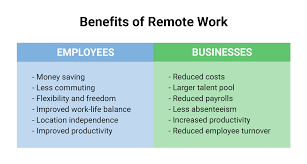
Remote work technology offers several advantages for both businesses and employees. It improves flexibility, allowing workers to manage their schedules more effectively. Employees can work from anywhere, which reduces commuting time and increases job satisfaction.
For businesses, remote technology reduces operational costs such as office rent and utilities. It also allows companies to hire talent from a global pool, increasing diversity and innovation.
Communication tools ensure that teams stay connected, while project management systems improve organization and accountability. Overall, remote work technology creates a more efficient and flexible work environment.
Challenges in Remote Work Technology
Despite its benefits, remote work technology also comes with challenges. One major issue is cybersecurity risks, as remote systems are more vulnerable to attacks.
Another challenge is communication gaps. Without face-to-face interaction, misunderstandings can occur more easily. Time zone differences can also create coordination issues in global teams.
Technical problems such as poor internet connectivity and software glitches can also affect productivity. Additionally, some employees may experience isolation or lack of motivation when working remotely.
Businesses need to address these challenges by implementing proper tools, policies, and training programs.
Future of Remote Work Technology
The future of remote work is expected to become even more advanced with the integration of AI, automation, and immersive technologies. Hybrid work models will continue to grow, combining remote and in-office work.
Smart offices powered by IoT (Internet of Things) will improve workplace efficiency. AI will continue to enhance productivity and decision-making processes.
We will also see more advanced virtual environments where employees can collaborate in 3D digital spaces. These innovations will redefine how businesses operate globally.
FAQs
1. What are remote work technology trends?
Remote work technology trends refer to the latest digital tools and innovations that support employees working from different locations.
2. Why is AI important in remote work?
AI helps automate tasks, improve productivity, and enhance communication in remote work environments.
3. What tools are used for remote collaboration?
Cloud platforms, project management tools, video conferencing apps, and messaging systems are commonly used.
4. How does cybersecurity protect remote workers?
Cybersecurity tools protect data through encryption, firewalls, and secure access systems.
5. What is the future of remote work technology?
The future includes AI-driven systems, virtual reality workspaces, and more advanced automation tools.
Conclusion
Remote work technology is continuously evolving and reshaping the modern workplace. From AI and cloud computing to cybersecurity and automation, these trends are improving productivity, flexibility, and global collaboration. Businesses that adopt these technologies early will have a strong competitive advantage in the future.
The shift toward digital work environments is permanent, and understanding these trends is essential for success in the modern business world.
