

Introduction
Customer journey optimization is one of the most powerful strategies in modern digital marketing. It focuses on improving every interaction a customer has with your brand, from the first moment they discover your business to the final purchase and beyond. In today’s competitive market, businesses that understand and optimize the customer journey are more likely to increase conversions, build loyalty, and achieve long-term success. This guide explains everything you need to know about customer journey optimization, including strategies, stages, benefits, and practical tips.
1. Understanding Customer Journey Optimization
Customer journey optimization refers to the process of analyzing and improving each step a customer takes when interacting with a business. This journey includes awareness, consideration, decision-making, purchase, and post-purchase experiences.
The goal is to make every stage smooth, engaging, and valuable so customers can easily move from one step to the next without frustration. Businesses use data analytics, user behavior tracking, and customer feedback to understand how users interact with their website, ads, emails, and support channels.
When done correctly, customer journey optimization reduces drop-offs, improves satisfaction, and increases overall revenue.
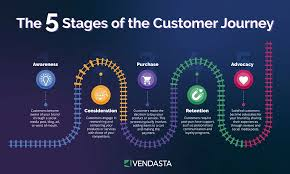
2. Stages of the Customer Journey
To optimize the customer journey, it is important to understand its key stages:
Awareness Stage
This is the first interaction a potential customer has with your brand. They may find you through social media, search engines, ads, or referrals. At this stage, the focus is on attracting attention and building brand awareness.
Consideration Stage
In this stage, customers start comparing different solutions. They explore your website, read reviews, and evaluate your offerings. Providing helpful content, case studies, and clear product information is essential here.
Decision Stage
This is where the customer decides whether to buy or not. A smooth checkout process, clear pricing, and strong calls-to-action are critical for conversion.
Retention Stage
After purchase, the focus shifts to keeping the customer engaged. Email marketing, loyalty programs, and excellent customer support play a big role in retention.
Advocacy Stage
Happy customers become brand advocates. They recommend your business to others through reviews, referrals, and social sharing.
3. Why Customer Journey Optimization Matters
Customer journey optimization is essential because it directly impacts business growth and customer satisfaction. Here are the main benefits:
Improved Conversion Rates – When users experience a smooth journey, they are more likely to complete purchases.
Better Customer Experience – A well-optimized journey reduces frustration and improves satisfaction.
Increased Customer Loyalty – Customers are more likely to return when they feel valued.
Higher Revenue – Better experience leads to more sales and repeat purchases.
Stronger Brand Reputation – Positive experiences lead to better reviews and referrals.
Businesses that ignore journey optimization often lose customers due to poor navigation, unclear messaging, or slow response times.
4. Key Strategies for Customer Journey Optimization
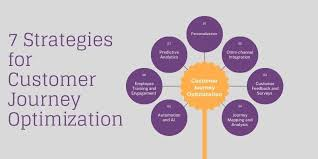
To effectively optimize the customer journey, businesses should use the following strategies:
Map the Customer Journey
Start by creating a visual map of all customer touchpoints. This helps identify gaps and areas for improvement.
Use Data Analytics
Track user behavior using tools like Google Analytics. Understand where users drop off and which pages perform best.
Personalize the Experience
Personalization increases engagement. Show relevant content, product recommendations, and targeted emails based on user behavior.
Improve Website Experience
A fast, mobile-friendly, and easy-to-navigate website is crucial for a smooth journey. Slow websites lead to high bounce rates.
Optimize Content Strategy
High-quality content helps guide users through each stage of the journey. Blog posts, videos, and guides build trust and authority.
Strengthen Customer Support
Quick and helpful support improves satisfaction and reduces churn. Live chat and chatbots can improve response times.
5. Tools and Technologies for Optimization
Modern businesses use various tools to improve customer journey optimization:
Analytics Tools – Help track user behavior and website performance
CRM Systems – Manage customer relationships and data
Marketing Automation – Automate email campaigns and personalized messaging
Heatmaps – Show where users click and how they interact with pages
Feedback Tools – Collect customer opinions and improve experience
These tools help businesses understand customer behavior more deeply and make data-driven decisions.
6. Common Mistakes to Avoid
Many businesses fail to optimize the customer journey due to these common mistakes:
Ignoring mobile users
Poor website navigation
Lack of personalization
Slow page loading speed
Not tracking customer data
Weak or unclear call-to-action buttons
Avoiding these mistakes can significantly improve your customer experience and conversion rates.
7. Future of Customer Journey Optimization
The future of customer journey optimization is driven by AI, automation, and hyper-personalization. Businesses are increasingly using artificial intelligence to predict customer behavior and deliver personalized experiences in real time.
Chatbots, predictive analytics, and smart recommendation engines will continue to shape how businesses interact with customers. Companies that adopt these technologies early will have a strong competitive advantage.
FAQs
What is customer journey optimization?
It is the process of improving every step a customer takes with a brand to increase satisfaction and conversions.
Why is customer journey important?
It helps businesses understand customer behavior and improve their overall experience, leading to higher sales and loyalty.
How can I improve customer journey on my website?
You can improve it by optimizing website speed, improving navigation, adding personalization, and using analytics tools.
What tools are used for customer journey optimization?
Common tools include Google Analytics, CRM systems, heatmaps, and marketing automation platforms.
Is customer journey optimization only for large businesses?
No, small businesses can also benefit greatly by improving user experience and tracking customer behavior.
