

Introduction
Growing website traffic organically is one of the most powerful and cost-effective ways to build a long-term online presence. Instead of relying on paid ads, organic traffic focuses on attracting visitors through search engines, valuable content, and strong SEO practices. In today’s competitive digital world, businesses, bloggers, and marketers must understand how to increase organic traffic if they want sustainable growth, higher visibility, and better conversions. This guide will explain proven strategies to help you grow your website traffic organically in 2026 and beyond.
1. Understand Your Target Audience and Search Intent
The foundation of organic traffic growth starts with understanding your audience. You need to know who your readers are, what problems they face, and what solutions they are searching for online.
Search intent plays a major role in SEO success. There are four main types of search intent:
- Informational (learning something)
- Navigational (finding a specific website)
- Transactional (ready to buy)
- Commercial investigation (comparing options)
When you align your content with search intent, search engines like Google reward your website with higher rankings. For example, if someone searches “how to grow website traffic organically,” they expect a step-by-step guide, not a sales page. That’s why understanding intent is critical for traffic growth.
To improve this step:
- Create audience personas
- Study competitor websites
- Use keyword research tools
- Analyze Google search results
2. Perform Strong Keyword Research
Keyword research is the backbone of organic traffic. Without the right keywords, your content will not reach the right audience.
Focus on:
- Long-tail keywords (e.g., “how to grow website traffic organically for beginners”)
- Low competition keywords
- High search intent keywords
Use tools like Google Keyword Planner, Ahrefs, SEMrush, or Ubersuggest to find opportunities.
Best practices include:
- Target one primary keyword per page
- Include secondary keywords naturally
- Avoid keyword stuffing
- Focus on user-friendly language
When you properly optimize keywords, search engines understand your content better and rank it higher, which increases organic traffic over time.
3. Create High-Quality SEO Optimized Content
Content is the heart of organic growth. If your content is valuable, informative, and engaging, users will stay longer on your website, improving your SEO rankings.
High-quality content should:
- Solve user problems
- Be easy to read
- Include real examples
- Be updated regularly
To improve content quality:
- Write long-form articles (1500–3000 words)
- Use headings and subheadings
- Add bullet points for clarity
- Include internal and external links
Google prioritizes content that provides real value, so focus on helping users rather than just ranking.
Also, consistency matters. Publishing content regularly signals to search engines that your website is active and trustworthy.
4. Optimize On-Page SEO Elements
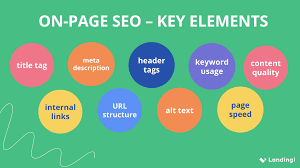
On-page SEO ensures that your content is properly structured for search engines. Even the best content will not rank well without proper optimization.
Important on-page SEO factors include:
- Title tags (include main keyword)
- Meta descriptions (clear and attractive)
- URL structure (short and keyword-based)
- Image optimization (alt text and compression)
- Internal linking (connect related pages)
Example:
Instead of a messy URL like:
website.com/page123?id=45
Use:
website.com/grow-website-traffic-organically
Also, make sure your content is mobile-friendly and loads quickly. Page speed is a major ranking factor in Google’s algorithm.
5. Build High-Quality Backlinks
Backlinks are one of the strongest ranking signals for Google. When other websites link to your content, it shows that your site is trustworthy and authoritative.
Types of backlinks:
- Guest posting links
- Editorial links
- Directory submissions
- Social shares
Strategies to build backlinks:
- Write guest posts on high-authority blogs
- Create shareable content like infographics
- Reach out to bloggers and influencers
- Use broken link building techniques
However, avoid spammy or low-quality backlinks, as they can harm your website ranking instead of improving it.
6. Use Social Media to Boost Organic Reach
Social media platforms can indirectly increase your organic traffic by driving users to your website and improving content visibility.
Best platforms include:
- X (Twitter)
Tips for social media traffic growth:
- Share blog posts regularly
- Use engaging captions
- Add hashtags strategically
- Join relevant communities and groups
When your content gets shared widely, it increases brand awareness and improves your chances of earning backlinks and organic traffic.
7. Improve Website User Experience (UX)
User experience is now a major SEO ranking factor. If users leave your website quickly, Google assumes your content is not helpful.
To improve UX:
- Make your website fast-loading
- Use clean and simple design
- Ensure mobile responsiveness
- Improve navigation structure
A good UX increases:
- Time on site
- Page views per session
- Conversion rates
Search engines track these signals and reward websites with better rankings.
8. Update and Refresh Old Content
Old content can still bring traffic if it is updated regularly. Google prefers fresh and updated information.
Steps to refresh content:
- Update outdated statistics
- Add new sections
- Improve keyword optimization
- Fix broken links
Refreshing old posts is easier than creating new content and can quickly boost your rankings.
9. Focus on Technical SEO
Technical SEO ensures that search engines can crawl and index your website properly.
Key elements include:
- XML sitemap
- Robots.txt file
- Secure HTTPS connection
- Fixing crawl errors
- Structured data (schema markup)
A technically optimized website performs better in search rankings and helps increase organic visibility.
FAQs
1. How long does it take to grow website traffic organically?
It usually takes 3 to 6 months to see noticeable results, depending on competition and content quality.
2. Is organic traffic better than paid traffic?
Yes, organic traffic is more sustainable and cost-effective in the long term compared to paid ads.
3. What is the fastest way to increase organic traffic?
Publishing high-quality content consistently and optimizing SEO are the fastest proven methods.
4. Do backlinks still matter in 2026?
Yes, backlinks are still one of the strongest ranking factors in Google’s algorithm.
5. Can social media increase organic traffic?
Yes, social media helps drive visitors and improve content visibility, indirectly boosting SEO.
Conclusion
Growing website traffic organically requires patience, consistency, and smart SEO strategies. By understanding your audience, using the right keywords, creating high-quality content, optimizing on-page SEO, building backlinks, and improving user experience, you can significantly increase your website visibility. Organic traffic is not a short-term game; it is a long-term investment that builds authority and sustainable growth. If you apply these strategies consistently, your website will steadily climb search rankings and attract high-quality visitors over time.
