

Introduction
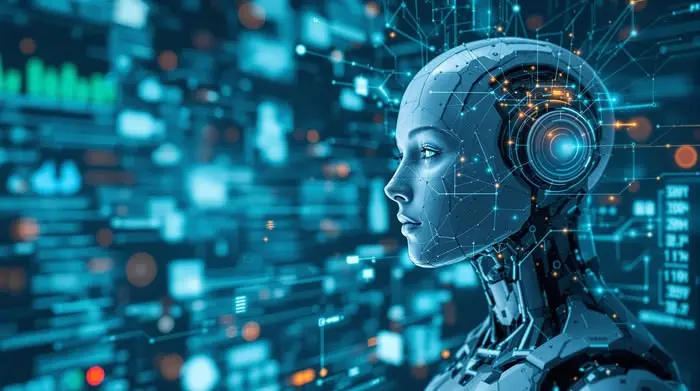
The future of physical AI is rapidly becoming one of the most exciting and transformative areas of modern technology. As industries evolve and automation becomes more advanced, physical AI is moving beyond software and entering the real world through machines, robots, and smart systems. This shift is not just about convenience; it represents a major leap in how humans interact with technology in everyday life.
In simple terms, physical AI combines artificial intelligence with physical machines that can sense, learn, and act in real environments. From self-driving cars to robotic assistants in hospitals, is shaping industries in ways that were once considered science fiction. As businesses and individuals adopt these technologies, the impact will be felt across manufacturing, healthcare, logistics, and even homes.
Moreover, the future of physical AI is not limited to large corporations. Startups and small businesses are also beginning to explore its potential, making it more accessible than ever before. As innovation continues, the line between digital intelligence and physical action will blur, creating smarter systems that can adapt and improve over time.
Understanding the future of physical AI is essential for anyone looking to stay ahead in a rapidly changing world. Whether you are a beginner or an intermediate learner, this guide will help you explore its meaning, importance, practical applications, and what lies ahead.
What is Future of Physical AI?
The future of physical AI refers to the development and evolution of intelligent systems that operate in the physical world. Unlike traditional software-based AI, which exists only in digital environments, physical AI interacts with real-world objects and environments using sensors, actuators, and advanced algorithms.
At its core, physical AI enables machines to perceive their surroundings, make decisions, and take actions without constant human intervention. For example, a robot equipped with physical AI can navigate a warehouse, pick items, and avoid obstacles while continuously learning from its environment.
The future of physical AI includes technologies such as:
- Autonomous robots
- Self-driving vehicles
- Smart manufacturing systems
- AI-powered drones
- Service robots in healthcare and retail
These systems rely on a combination of machine learning, computer vision, and robotics to function effectively. As these technologies improve, physical AI systems will become more efficient, accurate, and adaptable.
In the coming years, will likely focus on creating machines that can work alongside humans safely and efficiently. This collaboration will redefine productivity and open new possibilities for innovation.
Why is Future of Physical AI Important?
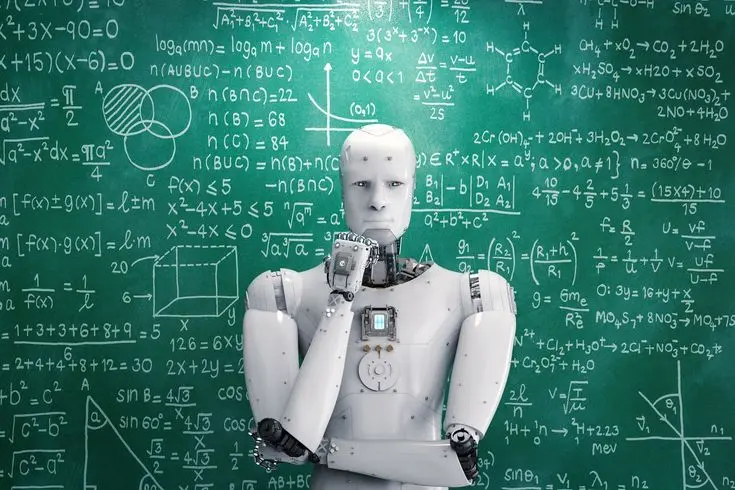
The importance of the future of physical AI lies in its ability to bridge the gap between digital intelligence and real-world action. As industries face increasing demands for efficiency and scalability, physical AI offers solutions that can transform operations.
One key reason why is important is automation. By automating repetitive and dangerous tasks, businesses can improve productivity while reducing risks for workers. For example, robots can handle hazardous materials in factories, minimizing human exposure.
Another reason is accuracy and consistency. Physical AI systems can perform tasks with high precision, reducing errors and improving quality. This is especially valuable in sectors like healthcare, where even small mistakes can have serious consequences.
Additionally, plays a crucial role in addressing labor shortages. As populations age and workforce dynamics change, intelligent machines can fill gaps and maintain productivity.
Furthermore, physical AI contributes to innovation. It enables the creation of new products and services that were previously impossible, such as autonomous delivery systems and smart infrastructure.
Overall, the future of physical AI is important because it enhances efficiency, safety, and innovation across multiple industries, making it a key driver of economic growth.
Detailed Step-by-Step Guide
Understanding the Basics
The first step in exploring the future of physical AI is understanding its foundational concepts. This includes learning about artificial intelligence, robotics, and sensor technologies.
You should focus on:
- Machine learning fundamentals
- Computer vision basics
- Robotics principles
These concepts form the backbone of physical AI systems.
Learning Required Skills
To work with physical AI, certain technical skills are essential. These include programming, data analysis, and system design.
Key skills to develop:
- Programming languages like Python
- Knowledge of AI frameworks
- Understanding of hardware integration
Building these skills will help you understand how physical AI systems are created and deployed.
Exploring Tools and Platforms
The future of physical AI depends heavily on tools and platforms that enable development and testing.
Common tools include:
- Robotics simulation software
- AI development platforms
- Sensor integration tools
Using these tools allows you to experiment and build your own physical AI projects.
Building Simple Projects
Hands-on experience is crucial. Start with simple projects such as:
- Line-following robots
- Object detection systems
- Basic automation setups
These projects help you apply theoretical knowledge in practical scenarios.
Scaling to Advanced Systems
Once you have a solid foundation, you can move on to more complex systems.
Advanced projects may include:
- Autonomous navigation systems
- Robotic arms for manufacturing
- AI-powered drones
This step brings you closer to understanding the real potential of the future of physical AI.
Staying Updated with Trends
The field of physical AI is constantly evolving. Staying updated with the latest trends and innovations is essential.
You can:
- Follow industry news
- Participate in online communities
- Attend workshops and webinars
This ensures you remain competitive and informed.
Benefits of Future of Physical AI
The future of physical AI offers numerous advantages across various sectors:
- Increased efficiency and productivity
- Reduced human error in complex tasks
- Enhanced safety in hazardous environments
- Ability to operate 24/7 without fatigue
- Improved decision-making through real-time data
- Cost savings in the long term
- Better resource management
- Creation of new job opportunities in tech fields
These benefits highlight why physical AI is becoming a key focus for businesses worldwide.
7. Disadvantages / Risks
Despite its advantages, the future of physical AI also comes with certain risks:
- High initial investment costs
- Potential job displacement in some sectors
- Technical complexity and maintenance challenges
- Security vulnerabilities and cyber risks
- Ethical concerns regarding decision-making
- Dependence on technology
- Limited adaptability in unpredictable environments
Understanding these risks is important for responsible adoption and implementation.
Common Mistakes to Avoid
When exploring the future of physical AI, many beginners make common mistakes that can hinder progress.
One major mistake is ignoring the basics. Without a strong foundation in AI and robotics, it becomes difficult to understand advanced concepts.
Another mistake is focusing only on software. Physical AI requires a balance between hardware and software knowledge.
Some learners also underestimate the importance of testing. Real-world environments are unpredictable, and thorough testing is essential.
Additionally, many people try to jump into complex projects too quickly. Starting small and gradually increasing complexity is a more effective approach.
Finally, neglecting ethical considerations can lead to serious issues. Responsible development is crucial for long-term success.
Avoiding these mistakes will help you build a solid understanding of the future of physical AI.
FAQs
What is the main goal of physical AI?
The main goal of physical AI is to enable machines to interact intelligently with the real world. This includes sensing environments, making decisions, and performing actions autonomously.
How is physical AI different from traditional AI?
Traditional AI operates in digital environments, while physical AI works in the real world through machines and devices. It combines software intelligence with physical capabilities.
What industries will benefit the most?
Industries such as manufacturing, healthcare, logistics, agriculture, and transportation will benefit significantly from the future of physical AI.
Is physical AI difficult to learn?
It can be challenging, but with the right approach and consistent learning, beginners can gradually understand and work with physical AI systems.
What are real-world examples of physical AI?
Examples include autonomous vehicles, warehouse robots, robotic surgeons, and delivery drones. These systems demonstrate the practical applications of physical AI.
What skills are needed for physical AI?
Key skills include programming, machine learning, robotics, data analysis, and problem-solving. A combination of technical and analytical skills is essential.
Expert Tips & Bonus Points
To succeed in the future of physical AI, consider the following expert tips:
- Start with small, manageable projects
- Focus on both hardware and software integration
- Practice consistently to build confidence
- Learn from real-world case studies
- Collaborate with others in the field
- Stay updated with emerging technologies
- Develop problem-solving and critical thinking skills
- Always prioritize safety and ethics
These tips can help you accelerate your learning and achieve better results.
Conclusion
The future of physical AI represents a powerful shift in how technology interacts with the real world. As intelligent machines become more capable, they will play an increasingly important role in shaping industries and daily life. From improving efficiency in manufacturing to enhancing patient care in healthcare, the possibilities are vast and continuously expanding.
One of the most exciting aspects of the future of physical AI is its ability to create new opportunities. While it may replace certain tasks, it also opens doors for innovation, creativity, and new career paths. By embracing this technology, individuals and businesses can stay ahead in a competitive landscape.
However, it is equally important to approach physical AI with responsibility. Addressing challenges such as ethical concerns, security risks, and workforce impact is essential for sustainable growth. A balanced approach ensures that the benefits of physical AI are maximized while minimizing potential drawbacks.
For beginners and intermediate learners, now is the perfect time to explore this field. With the right knowledge, skills, and mindset, anyone can become part of this technological revolution. The future of physical AI is not just about machines; it is about creating smarter, safer, and more efficient systems that improve the quality of life for everyone.
